

Public
The evolution of gambling from ancient rituals to modern casinos
The evolution of gambling from ancient rituals to modern casinos
The Origins of Gambling in Ancient Civilizations
The practice of gambling has roots that stretch back thousands of years, with evidence tracing its origins to ancient civilizations such as China, Egypt, and Mesopotamia. Archaeological findings reveal that early forms of gambling involved rudimentary games of chance, often played with dice or betting on the outcomes of events. These early rituals were not merely for entertainment; they often held significant cultural and religious importance, serving as a means to appease deities or predict the future. In today’s context, many look for the best online casinos to capture that thrilling experience from the comfort of home.
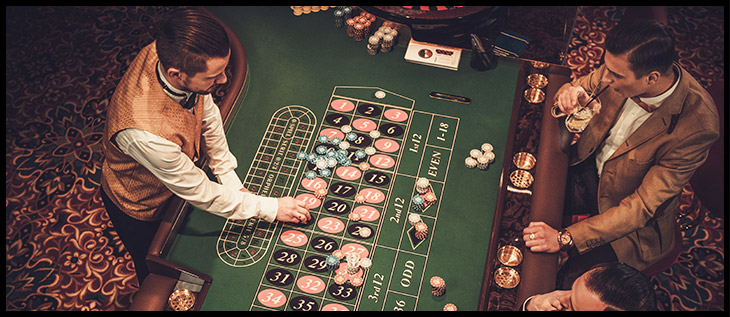
The games and betting practices of ancient cultures varied widely. In ancient China, for example, the earliest recorded instances of gambling appeared around 2300 BC, featuring rudimentary games that laid the groundwork for modern-day games of chance. Similarly, dice games were prevalent in ancient Rome, where the concept of betting became intertwined with social gatherings, reflecting the societal norms of the time.
The Transition to Organized Gambling
As societies evolved, so too did gambling. By the Middle Ages, gambling had transitioned from informal, solitary activities to more organized forms of play. This period saw the establishment of gambling houses and the introduction of more structured games, including card games and betting on horse races. Gambling became increasingly popular across Europe, particularly among the aristocracy, who viewed it as a refined form of entertainment.
The growth of organized gambling led to the development of laws and regulations governing the practice. Governments began to recognize the potential economic benefits of gambling and sought to regulate it, imposing taxes on winnings and establishing guidelines for operation. This marked a significant shift towards the structured gambling environments we see today, where rules and etiquette have become integral to the experience.
The Birth of Modern Casinos
The emergence of modern casinos can be traced back to the 17th century in Europe, with the opening of the first official gambling houses. The Casino di Venezia in Italy, established in 1638, is often regarded as the world’s oldest casino, providing a setting for aristocrats to enjoy games of chance in a luxurious environment. This period marked a pivotal moment in the evolution of gambling, transforming it into a mainstream pastime.
The Digital Revolution and Online Gambling
The advent of the internet in the late 20th century revolutionized the gambling landscape once again, giving rise to online casinos. Initially emerging in the 1990s, online gambling allowed players to access a variety of games from the comfort of their own homes. This digital transformation has expanded the reach of gambling, attracting a new generation of players who prefer the convenience of online platforms.

Conclusion: Exploring the Current Gambling Landscape
Today’s gambling landscape is a testament to its evolution from ancient rituals to modern casinos, characterized by a diverse range of options for players. Whether through traditional brick-and-mortar establishments or innovative online platforms, the gambling experience continues to thrive, reflecting societal changes and technological advancements. Understanding this rich history enhances our appreciation for the complexities of gambling and its cultural significance.
As you explore the modern gaming world, consider visiting platforms that provide in-depth reviews and comparisons of top-rated casinos. These resources can guide you in selecting the best gambling experiences tailored to your preferences, ensuring you maximize your enjoyment and success in the exciting realm of gaming.
“`